Car owners of all ages and levels of experience have one thing in common: a need to make sure their vehicle runs safely and efficiently. Maintaining fluids such as oil, coolant, and brake fluid are essential to the smooth functioning of your vehicle. Luckily, using the right products and understanding when to check, refill and even change certain fluids can help ensure that your vehicle is well-maintained.
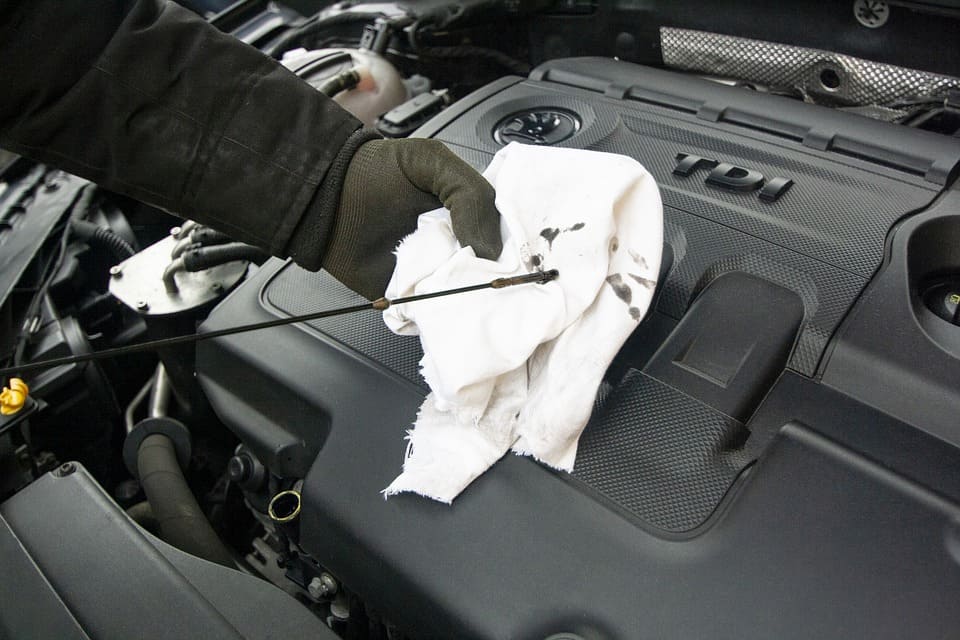
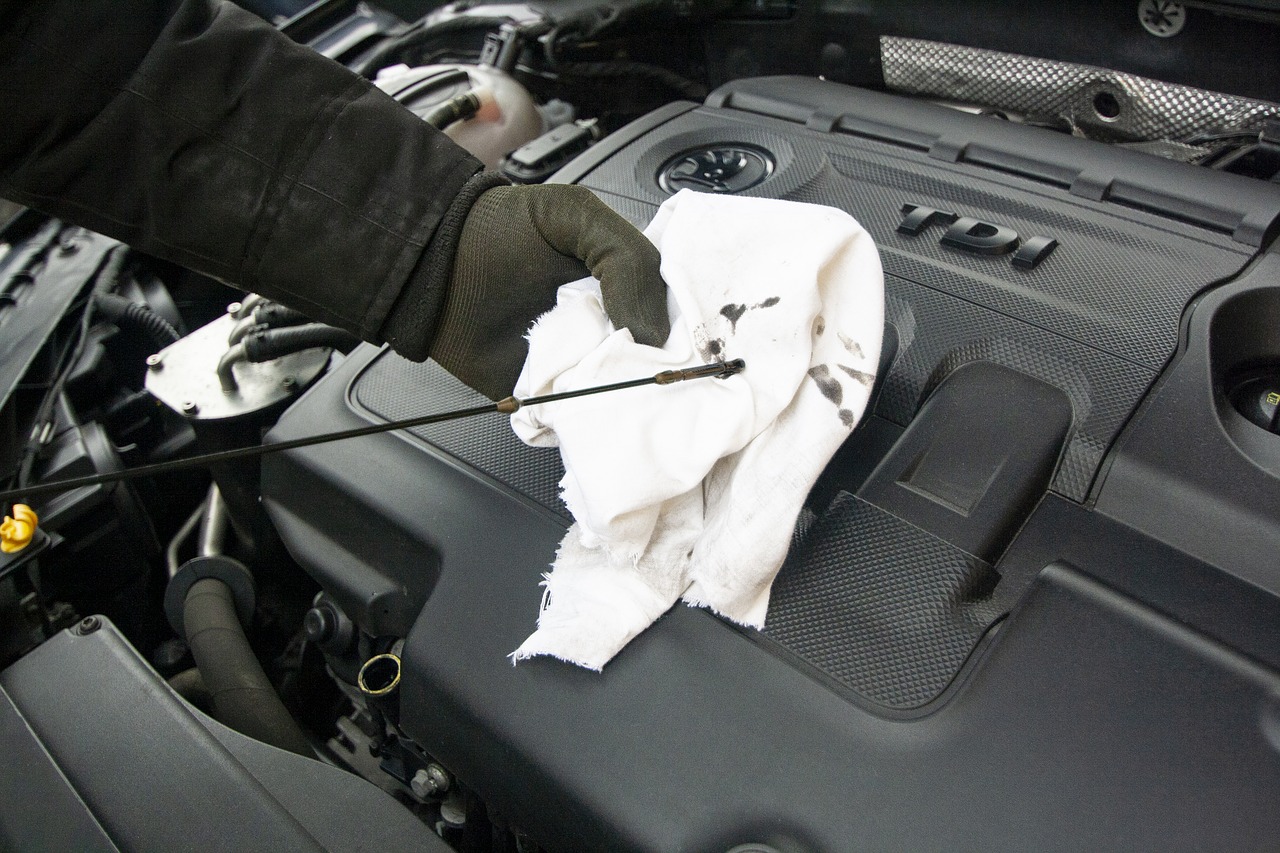
Checking the levels of all essential fluids is an essential part of maintaining your vehicle. Although manual checks are important, more and more vehicle manufacturers are integrating fluid monitoring systems that alert drivers when fluid levels are too low.
Fluids such as coolant and washer fluid need to be refilled rather than changed and should be done periodically. A No Spill Spout or a glug-free pouring funnel are perfect tools for safely filling up car fluids. If there is fluid still in your car, like when you’re replacing engine oil, be sure to safely dispose of it by taking it to a waste facility and following their guidelines for handling it properly.
Depending on the fluid, how often you should change it may vary. Most vehicle owners should have the oil in their car changed every 3000 to 5000 miles. Other fluids such as brake and coolant should be inspected annually to ensure they’re topped off.
Using the proper grade of oil and the right kind of brake and coolant fluid can be important. A qualified auto technician should be able to provide advice as to what type of fluids should be used and how often they should be changed or refilled.
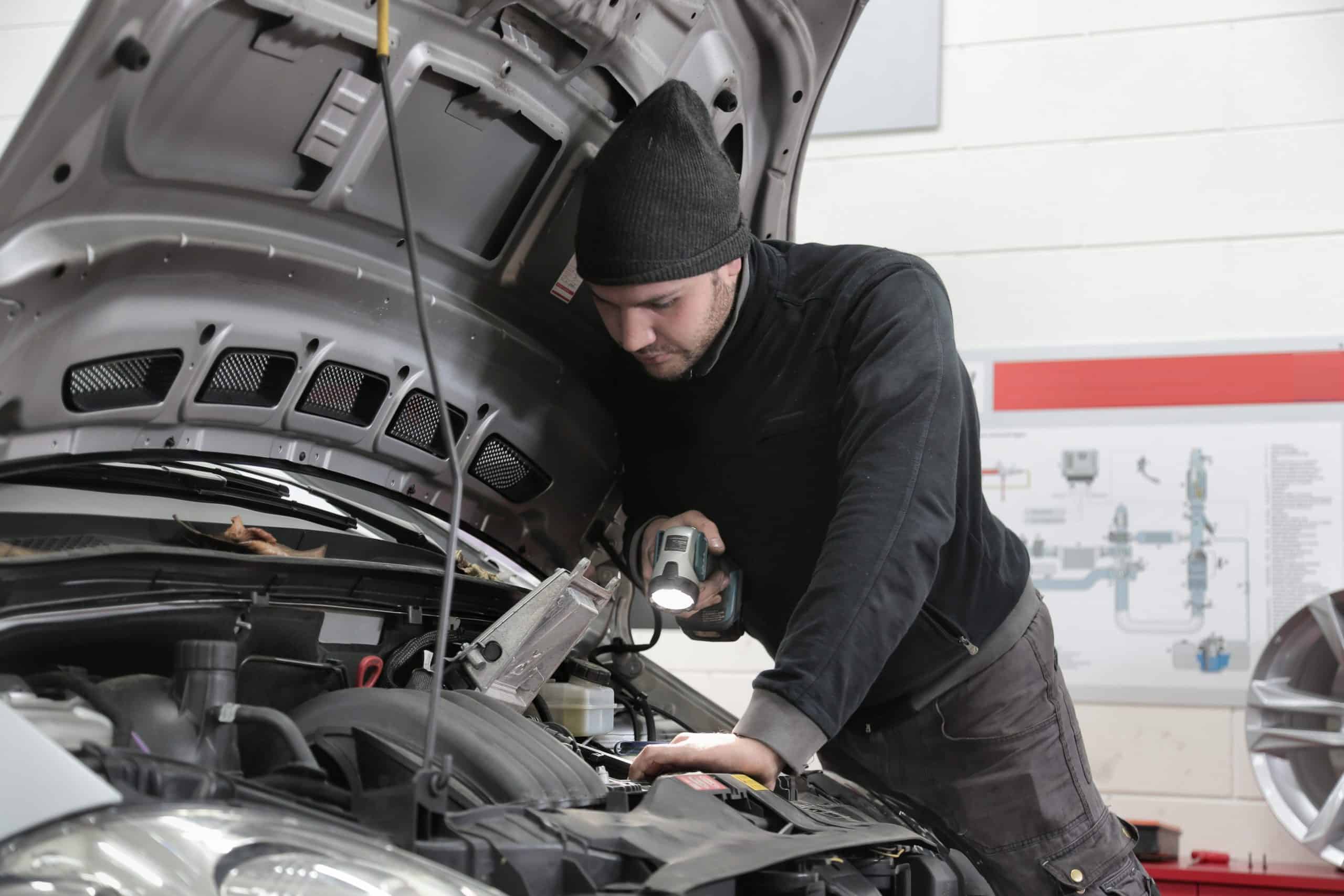
Whether you’re doing the job yourself or hiring a qualified technician to help, be sure to use the appropriate tools when draining and refilling any fluid. Using a No Spill Spout or glug-free pouring funnel are great ways to reduce mess and help you maintain the smooth functioning of your vehicle’s fluids.
By following a few basic steps, checking and changing vehicle fluids can help to keep your car in good running order and will ultimately help extend the life of your vehicle.
Main photo: Andrea Piacquardio/pexels.com
Sponsored text