Sponsored article
In the fast-paced world of meat processing, maximizing efficiency while maintaining quality is a top priority. Leveraging cutting-edge grinding solutions can significantly contribute to achieving these goals. This article delves into how implementing advanced grinding technologies can lead to smoother operations, enhancing both productivity and product quality. From selecting the appropriate machinery to seamlessly integrating these innovations into current workflows, discover how to revolutionize your meat processing efficiency.
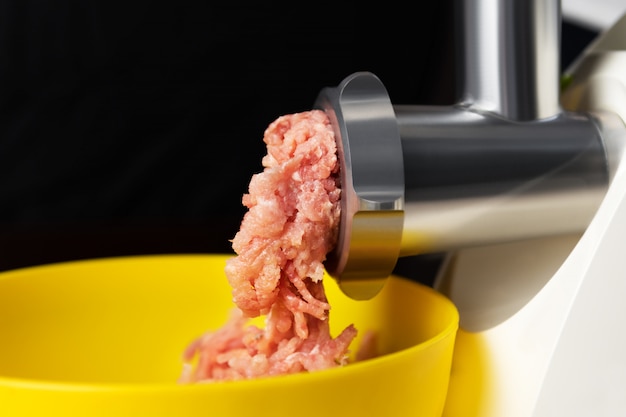
Advanced grinding technology is revolutionizing the meat processing industry by driving substantial efficiency improvements and enhancing product consistency. Utilizing cutting-edge machinery, such as that offered by NOMA Nowicki Machinery, processors can achieve superior precision in both fresh and frozen meat applications. One of the greatest advantages brought by this technology is its ability to streamline operations, allowing for direct grinding of frozen blocks without the need for pre-cutting. This innovation not only simplifies the processing workflow but also helps reduce labor and energy costs, contributing significantly to the bottom line.
Moreover, the precision and reliability of advanced grinding technology ensure that the final product maintains a high standard of quality and consistency, meeting consumer expectations and boosting brand reputation. The automation and hygienic design of NOMA Nowicki Machinery’s grinders minimize the risk of contamination and waste, optimizing resource utilization and driving sustainable practices in production. By embracing these technological advancements, meat processors are well-equipped to address market demands efficiently and effectively.
When choosing grinding equipment, it’s crucial to consider several factors to ensure optimal performance in your meat processing operation. The types of meat processed play a significant role in machinery selection, as different meats require varying levels of grinding power and consistency. For instance, fatty meats may necessitate equipment that can handle more resistance, while leaner meats might need machinery that can produce finer grinds without overheating. Alongside the type of meat, the specific needs of your meat processing operation, such as desired texture, grind size, and temperature control, should guide your decision.
Equally important is the scale of production, which directly impacts the choice of grinding solution. A small-scale operation may prioritize cost-efficiency and flexibility, seeking versatile equipment that adapts to various production needs. In contrast, a high-volume processor might require robust industrial grinders designed for continuous operation and minimal downtime. Ultimately, when selecting the right equipment for your operation, considering these factors ensures that the machinery selection aligns with both current demands and future growth.
Integrating new grinding solutions into existing workflows requires careful planning and execution to achieve optimal process optimization within the meat processing sector. As companies look to enhance efficiency, it’s essential to assess the compatibility of new technology with current systems. Start by evaluating your existing equipment and workflow processes to identify potential areas for integration. A thorough assessment helps in pinpointing any necessary modifications or upgrades required for seamless integration. Once compatibility is assured, employee training becomes crucial to ensure effective operation and maintenance of the new grinding solutions.
To address challenges and ensure a smooth transition: